
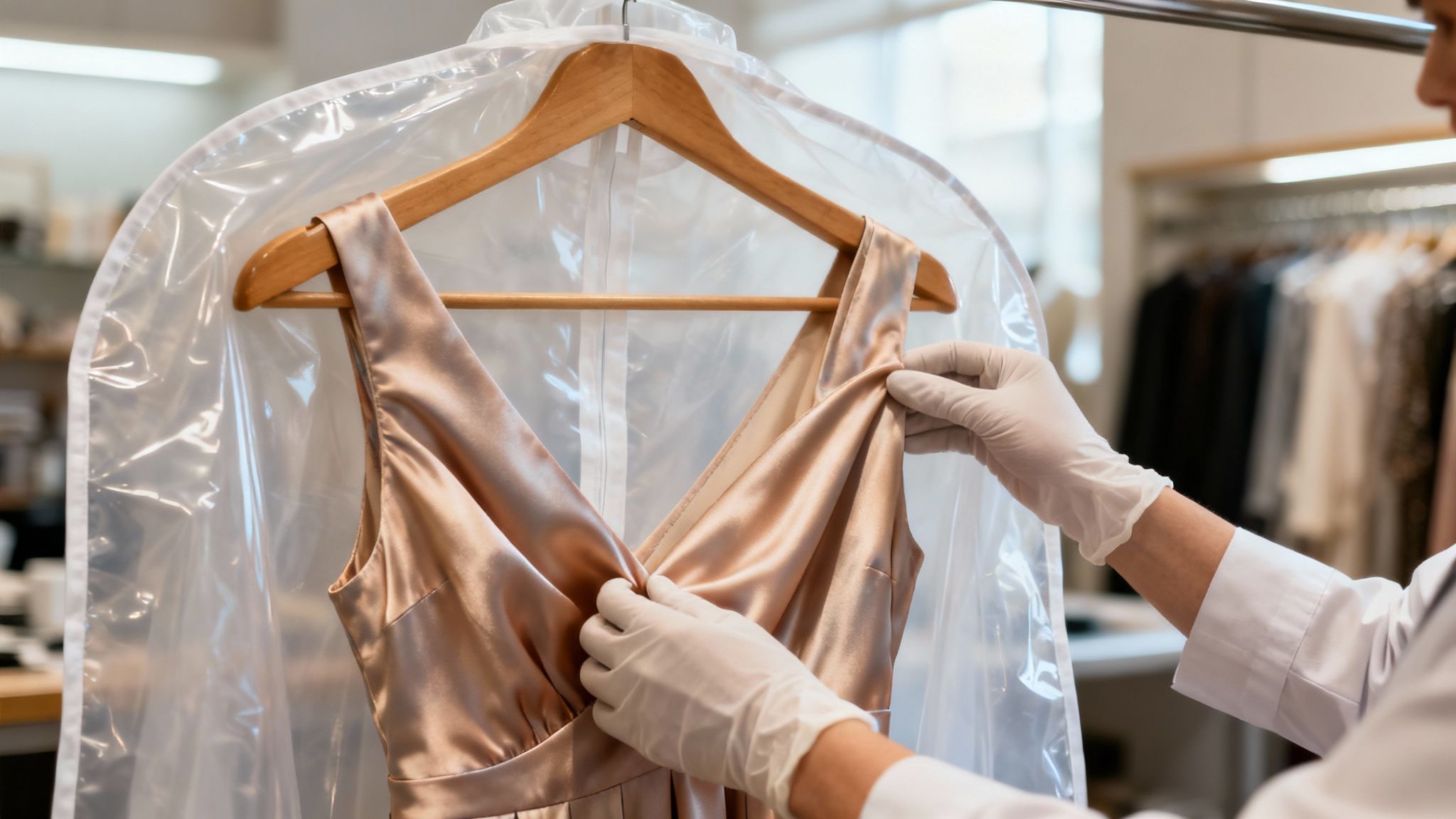
Luxury fabrics require a completely different level of care compared with everyday clothing. A Complete Guide to Caring for Silk and Delicate Clothes is essential for anyone who wants their garments to maintain their beauty, softness, and structure over time. Fabrics such as silk, satin, chiffon, lace, and cashmere are admired for their elegance and refined appearance, but these qualities also make them far more sensitive than standard materials like cotton or polyester.
Unlike durable fabrics, delicate textiles are composed of fine fibres that can easily be damaged by excessive heat, harsh detergents, aggressive washing techniques, or improper storage. Without proper care, silk garments may lose their natural shine, become weak, shrink, fade, or develop permanent stains that are difficult to remove.
This Complete Guide to Caring for Silk and Delicate Clothes explains in detail how to clean, handle, store, and maintain delicate garments properly. By following these guidelines, you can protect your investment pieces and keep them looking luxurious for many years.
Understanding Why Silk and Delicate Fabrics Need Special Care
The foundation of this Complete Guide to Caring for Silk and Delicate Clothes begins with understanding how these fabrics are constructed.
Silk is a natural protein fibre produced by silkworms. Its fibres are extremely fine and smooth, which is what gives silk its distinctive softness and elegant sheen. However, this delicate structure also makes silk highly sensitive to environmental conditions and cleaning methods.
Silk fibres can easily be affected by several factors, including:
- High temperatures
- Harsh or alkaline detergents
- Excessive friction
- Strong sunlight
- Aggressive washing techniques
Other delicate fabrics such as chiffon, lace, satin, and cashmere share similar characteristics. These materials often have loosely woven fibres or intricate structures that can easily stretch, tear, or lose their shape when handled incorrectly.
Proper care helps prevent fibre weakening, distortion of the fabric structure, and premature wear. This is why understanding fabric sensitivity is an important step in any Complete Guide to Caring for Silk and Delicate Clothes.
Always Check the Care Label First
Before attempting to clean any delicate garment, the first and most important step is checking the care label.
A key principle in this Complete Guide to Caring for Silk and Delicate Clothes is to never assume that all silk garments can be washed the same way. Manufacturers often apply special treatments or dyes that may require professional cleaning instead of home washing.
Care labels typically include instructions such as:
- Dry Clean Only
- Hand Wash Only
- Do Not Bleach
- Low Heat Ironing
- Do Not Tumble Dry
Ignoring these instructions can easily lead to irreversible damage. For example, washing a dry-clean-only silk dress in water can cause the fibres to shrink or lose their shape.
When in doubt, consulting professional dry cleaning specialists is always the safest option, particularly for high-value garments, designer pieces, or delicate evening wear.
Safe Hand Washing Techniques for Silk
Some silk garments are designed to be hand washed, but this process must be done with extreme care.
If the care label confirms that hand washing is safe, follow these basic guidelines:
- Fill a clean basin with cold or lukewarm water.
- Add a small amount of detergent specifically designed for delicate fabrics.
- Submerge the garment gently and move it slowly through the water.
- Avoid rubbing, scrubbing, or twisting the fabric.
- Rinse carefully with clean water until all detergent is removed.
One important rule in this Complete Guide to Caring for Silk and Delicate Clothes is to avoid wringing the fabric. Twisting silk can stretch or distort the fibres permanently.
Instead, gently press the garment between clean towels to remove excess moisture before air drying.
Avoiding Heat Damage
Heat is one of the most common causes of damage to silk and delicate fabrics.
High temperatures can weaken protein fibres and cause several problems such as:
- Shrinking of the fabric
- Loss of natural sheen
- Colour fading
- Permanent texture damage
For this reason, a major recommendation in this Complete Guide to Caring for Silk and Delicate Clothes is to completely avoid tumble drying.
The safest drying method is air drying. Place the garment flat on a clean towel and allow it to dry naturally in a well-ventilated area away from direct sunlight. Hanging wet silk garments is not recommended because the weight of water can stretch the fibres.
Keeping heat exposure to a minimum significantly extends the lifespan of delicate garments.
Proper Stain Removal for Silk and Delicate Fabrics
Stains on delicate clothing require immediate but careful attention. The longer a stain remains on silk, the more likely it is to penetrate the fibres and become permanent.
If a spill occurs, gently blot the stain using a soft, clean cloth. Avoid rubbing the fabric aggressively, as friction can damage the weave and spread the stain further.
Mild stain removal techniques may work for small marks, but complex stains such as wine, oil, or cosmetics often require professional treatment.
According to textile care experts, improper stain removal methods can permanently alter the structure of delicate fibres. Using incorrect chemicals or excessive scrubbing can cause visible damage that cannot be repaired.
Professional cleaning specialists use advanced solvents and techniques designed specifically for delicate fabrics, which is why expert treatment is often recommended for valuable garments.
Correct Ironing Methods for Delicate Clothing
Ironing delicate fabrics requires patience and careful temperature control.
Silk should always be ironed using the lowest heat setting available. Turning the garment inside out helps protect the visible surface from direct heat exposure.
For additional protection, place a thin cotton cloth between the iron and the fabric. This barrier prevents heat from directly contacting the silk fibres.
Steam can be helpful for removing wrinkles, but it should be used carefully. Excessive heat or moisture may damage the fabric structure.
Following proper ironing practices ensures that silk maintains its smooth texture and elegant appearance.
Best Storage Practices for Silk and Delicate Clothes
Proper storage is often overlooked but plays a crucial role in fabric preservation.
In this Complete Guide to Caring for Silk and Delicate Clothes, storage is considered just as important as cleaning.
To store delicate garments safely:
- Use breathable garment bags made from cotton or fabric
- Avoid plastic covers that trap moisture
- Store garments away from direct sunlight
- Use padded or soft hangers for structured pieces
- Keep storage spaces cool and dry
Plastic garment covers may seem protective, but they can trap humidity and lead to fabric deterioration over time.
Proper storage helps prevent wrinkles, discoloration, and unnecessary stress on delicate fibres.
When to Choose Professional Dry Cleaning
Although some delicate fabrics can be hand washed, professional dry cleaning provides a deeper and safer cleaning method for luxury garments.
Professional cleaners use specialised solvents that remove dirt, oils, and stains without saturating the fibres with water. This method significantly reduces the risk of shrinkage or distortion.
Regular professional care is particularly recommended for:
- Silk evening wear
- Designer garments
- Structured jackets or dresses
- Embroidered or embellished fabrics
If you frequently wear delicate clothing, scheduling occasional professional cleaning helps maintain the garment’s structure and appearance.
How Often Should Silk Be Cleaned?
Another common mistake people make is cleaning silk too often.
Frequent washing can gradually weaken delicate fibres. Instead, silk garments should only be cleaned when truly necessary.
A practical approach suggested in this Complete Guide to Caring for Silk and Delicate Clothes is to air garments after wearing them. Hanging silk clothing in a well ventilated area allows natural airflow to remove minor odours.
Spot cleaning small marks can also reduce the need for full washing.
By balancing cleaning frequency and proper care, you can significantly extend the lifespan of delicate garments.
Silk and delicate fabrics represent elegance, sophistication, and craftsmanship. However, their beauty comes with the responsibility of proper care.
This Complete Guide to Caring for Silk and Delicate Clothes demonstrates that maintaining luxury fabrics is not complicated, but it does require attention to detail. Gentle washing techniques, controlled heat exposure, careful stain treatment, and proper storage all contribute to preserving the quality of delicate garments.
By adopting these professional care practices, you can ensure that your silk clothing remains soft, vibrant, and structurally sound for many years.
Taking the time to care for delicate fabrics correctly protects not only the garment itself but also the investment you have made in high-quality clothing.



No comment