
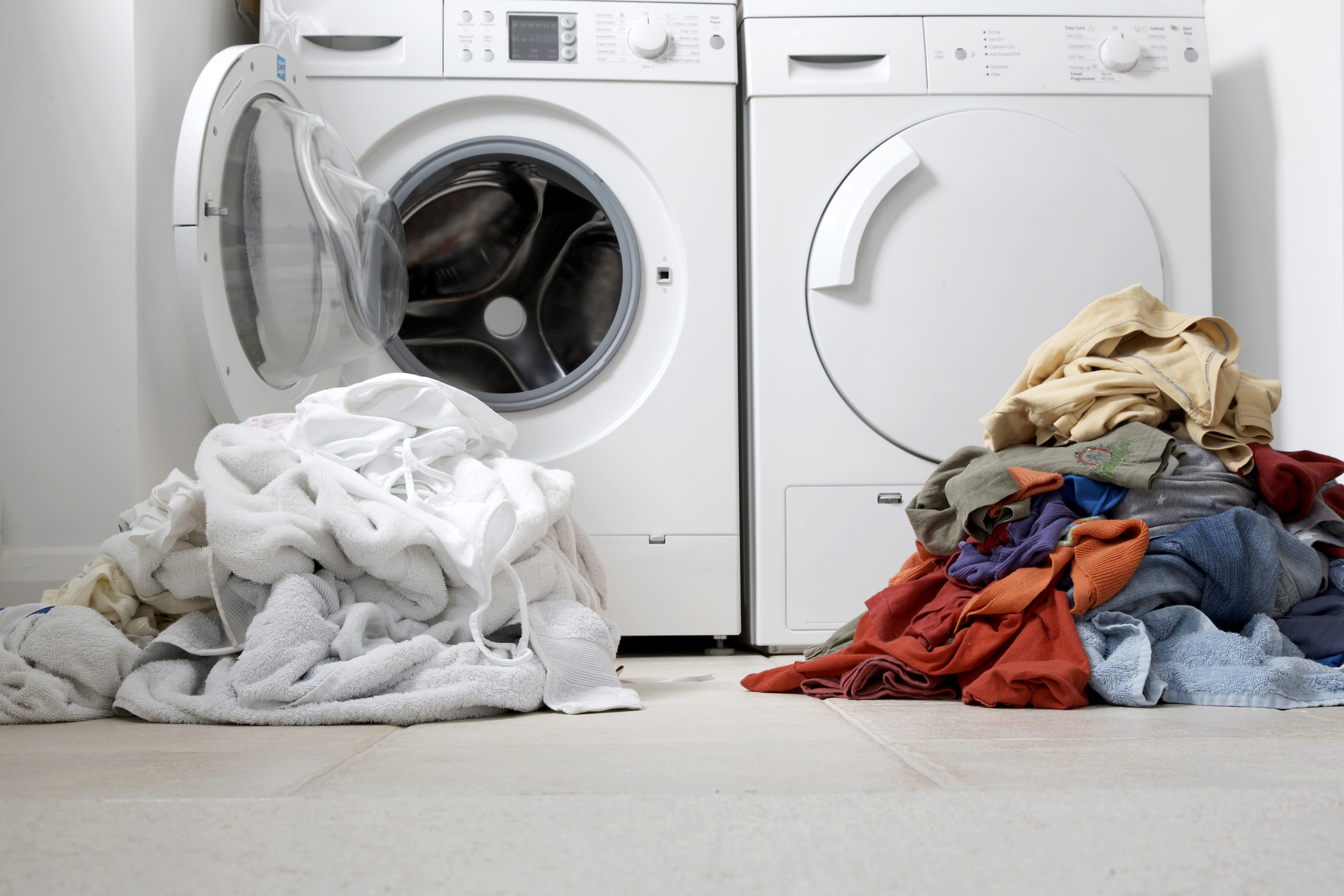
Clothing washing mistakes are one of the most common reasons garments lose their shape, colour, and overall quality over time. Many people believe that washing clothes is a simple everyday routine that requires little thought. However, the way clothes are washed can have a significant impact on how long they last and how well they maintain their appearance.
Even small mistakes in the washing process can gradually weaken fibres, fade colours, and distort the structure of garments. Over time, these issues may cause clothing to look worn out much sooner than expected.
Understanding clothing washing mistakes is essential if you want your garments to remain in good condition for longer. Proper washing habits help maintain fabric integrity, preserve colour, and reduce unnecessary damage. In this guide, we will explore eight common clothing washing mistakes that can harm fabric and shorten the lifespan of your wardrobe.

1. Using the Wrong Water Temperature
One of the most frequent clothing washing mistakes is choosing an incorrect water temperature.
Water temperature plays a crucial role in how fabrics react during the washing process. If the water is too hot, it can cause fabrics to shrink, weaken fibres, and fade colours. Natural materials such as wool, silk, and cotton are especially sensitive to high temperatures.
Heat can also damage the structure of synthetic fabrics, causing them to lose elasticity or become misshapen. In some cases, high temperatures may permanently alter the texture of delicate garments.
On the other hand, water that is too cold may not effectively remove oils, bacteria, or stubborn stains. Cold water washing can be useful for protecting colours, but it may not always provide the deep cleaning required for heavily soiled garments.
To avoid this clothing washing mistake, always check the garment’s care label. Manufacturers include recommended washing temperatures specifically designed to protect the fabric while ensuring proper cleaning.
2. Using Too Much Detergent
Many people believe that using more detergent will produce cleaner clothes. In reality, overusing detergent is one of the most damaging clothing washing mistakes.
When too much detergent is used, the washing machine may not be able to rinse it out completely. As a result, detergent residue remains trapped within the fibres of the fabric. This residue can cause clothing to feel stiff, rough, and uncomfortable against the skin.
Over time, detergent buildup can also reduce the breathability of fabrics and make colours appear dull. In addition, leftover detergent can attract dirt particles, which means clothes may become dirty again more quickly.
Another issue caused by excessive detergent use is skin irritation. Residual chemicals left in the fabric may trigger allergies or skin sensitivity, especially for individuals with delicate skin.
Using the correct amount of detergent ensures effective cleaning while protecting fabric quality.
3. Not Separating Clothes by Colour
Failing to separate clothing by colour is another common clothing washing mistake that can lead to permanent damage.
During the washing process, some fabrics release small amounts of dye into the water. Dark or brightly coloured garments are particularly prone to colour bleeding. If these items are washed together with light coloured clothing, the released dye may transfer and stain other garments.
Once colour transfer occurs, it can be extremely difficult to reverse. White garments may become dull or greyish, while light coloured fabrics may develop unwanted colour tints.
Separating clothes into categories such as whites, dark colours, and mixed colours helps prevent dye transfer and preserves the brightness of garments.
Taking the time to sort laundry properly is a simple step that can significantly reduce clothing washing mistakes.
4. Overloading the Washing Machine
Overloading the washing machine is a clothing washing mistake that many people overlook.
When too many garments are placed inside the machine, the clothes cannot move freely during the wash cycle. This prevents water and detergent from circulating properly around the fabrics.
As a result, clothes may not be cleaned thoroughly, and detergent may not rinse out completely.
Overloading also increases friction between garments. Excessive friction can stretch fibres, damage seams, and distort the shape of clothing. Delicate fabrics are particularly vulnerable to this type of stress.
Leaving enough space inside the washing machine allows clothes to move freely, improving cleaning efficiency while reducing fabric damage.
5. Incorrect Use of the Tumble Dryer
Tumble dryers are convenient appliances, but incorrect use can cause significant damage to fabrics.
High heat exposure is one of the most harmful clothing washing mistakes associated with drying clothes. Excessive heat can shrink fabrics, warp garment shapes, weaken fibres, and cause colours to fade.
Delicate fabrics such as silk, wool, and lace are especially sensitive to high temperatures. Even durable materials like cotton may shrink if exposed to excessive heat repeatedly.
Structured garments such as blazers, suits, and formal wear should never be placed in a tumble dryer. The heat and movement inside the machine can distort their shape and damage internal construction.
Whenever possible, air drying is a safer alternative. Hanging garments or laying them flat to dry helps preserve their original shape and reduces heat related damage.
6. Ignoring the Care Label
Ignoring the care label is one of the most avoidable clothing washing mistakes.
Care labels provide important information about how each garment should be washed, dried, and maintained. These labels are designed by manufacturers who understand the specific requirements of the fabric.
The label may include instructions regarding:
-
Recommended washing temperature
-
Whether hand washing is required
-
If the garment should be dry cleaned
-
Safe drying methods
-
Ironing temperature limits
Ignoring these instructions can result in serious fabric damage. For example, a garment labelled “Dry Clean Only” may shrink, stretch, or lose its shape if washed in a machine.
Taking a few seconds to read the care label before washing can prevent many clothing washing mistakes.
7. Washing Clothes Too Frequently
Washing clothes more often than necessary can also damage fabric over time.
Each wash cycle exposes garments to water, detergent, friction, and mechanical movement. Repeated washing gradually weakens fibres and accelerates fading.
Some garments do not require frequent washing. Items such as jackets, suits, blazers, and structured clothing often benefit from professional cleaning instead of regular machine washing.
Allowing clothes to air out after wearing them can help reduce odours and extend the time between washes.
By reducing unnecessary washing, you protect the fabric’s integrity and extend the lifespan of your clothing.
8. Misusing Bleach and Harsh Chemicals
Using bleach or harsh cleaning chemicals incorrectly is another serious clothing washing mistake.
Bleach can weaken fibres and cause uneven colour fading when used improperly. In some cases, it may even create thin patches in the fabric that eventually develop into holes.
Certain fabrics react poorly to strong chemicals. Delicate materials such as silk, wool, and linen can be permanently damaged by aggressive cleaning agents.
Bleach should only be used when specifically recommended and always in the correct dilution.
For delicate, expensive, or sentimental garments, professional cleaning methods are often safer and more effective.
Conclusion
Clothing washing mistakes can have a major impact on the durability, structure, and appearance of your garments. From using the wrong temperature to overloading the washing machine, even small errors can lead to long-term fabric damage.
By understanding and avoiding common clothing washing mistakes, you can significantly extend the life of your wardrobe. Proper washing techniques help maintain colour vibrancy, preserve fabric strength, and ensure garments continue to look their best.
Taking the time to wash clothing correctly not only protects your investment in quality garments but also helps maintain a cleaner and more organised wardrobe.
For delicate fabrics, formal wear, or high value garments, professional dry cleaning services provide specialised care that protects both the fabric and the structure of clothing. With the right approach to garment care, your clothes can remain in excellent condition for many years.


)
No comment