

How to keep clothes looking new is one of the most important concerns for anyone who wants their wardrobe to stay fresh, clean, and stylish over time. Many people notice that after just a few washes, clothes begin to lose their shape, colour, and overall appeal. Fabrics may become dull, stretched, or worn out, even when washed carefully. Understanding how to keep clothes looking new helps preserve both the appearance and value of your garments.
Clothing naturally experiences wear over time, but poor washing habits can significantly speed up this process. Water, detergent, heat, and friction all play a role in how garments age. The good news is that with the right techniques, you can reduce damage, maintain fabric quality, and extend the life of your clothes.
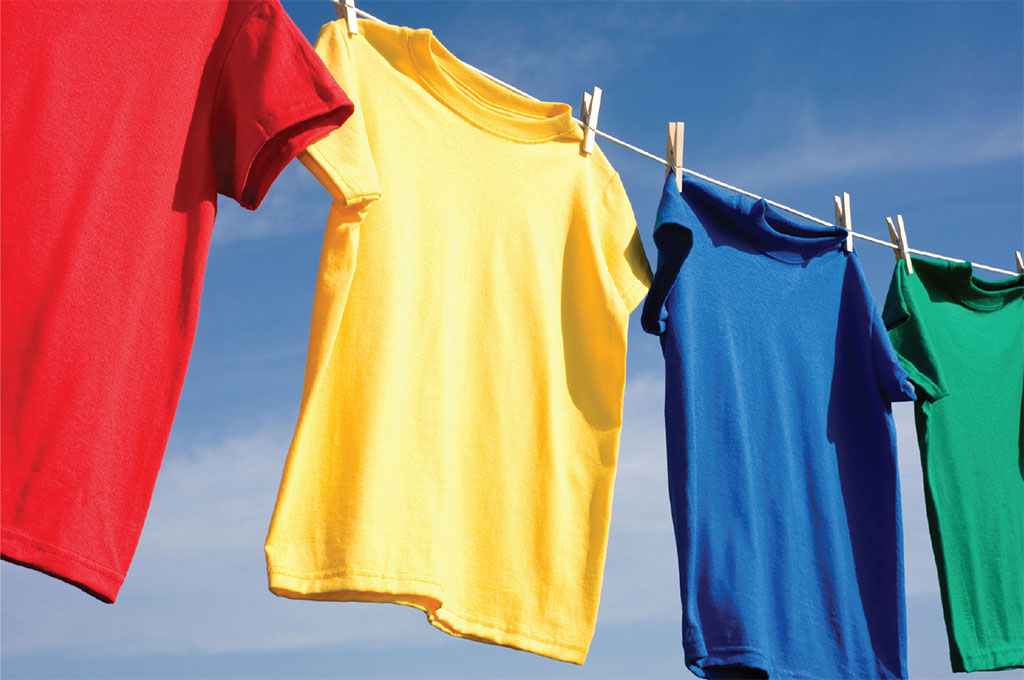
Why Clothes Lose Their Fresh Look and How to Keep Clothes Looking New
Clothes lose their fresh appearance due to repeated exposure to washing conditions that weaken fibres and affect colour. Each wash cycle exposes garments to mechanical movement, chemicals, and temperature changes. Over time, these factors cause fibres to break down, leading to fading, thinning, and distortion.
To keep clothes looking new, it is essential to understand how these factors affect fabric. Reducing heat, using gentle detergents, and avoiding excessive washing can all help maintain garment quality. Small adjustments in your routine can make a noticeable difference in how your clothes look after each wash.
Best Washing Techniques to Keep Clothes Looking New
To effectively keep clothes looking new, proper washing techniques must be followed. One of the most important steps is sorting clothes correctly. Washing garments by colour and fabric type prevents damage and colour transfer.
Using cold or lukewarm water is highly recommended. High temperatures can weaken fibres and cause colours to fade. Cold water is gentler and helps maintain the integrity of the fabric.
Turning clothes inside out before washing also plays a key role. This reduces friction on the outer surface of the garment, helping to protect colour, texture, and printed designs.
Avoid overloading the washing machine, as overcrowding increases friction between garments. When clothes rub excessively, fibres weaken and fabrics lose their smooth appearance. Giving clothes enough space allows them to be cleaned more gently and effectively.
How to Keep Clothes Looking New Through Fabric Care
Different fabrics require different care methods, and understanding this is essential if you want to keep clothes looking new.
Natural fibres such as cotton and linen are more prone to wear because they absorb water and expand during washing. This can weaken the fabric over time. Synthetic fabrics like polyester are more durable but can still lose their shape if exposed to heat or harsh chemicals.
Delicate materials such as silk, wool, and blends require extra attention. These fabrics are more sensitive and can easily lose their texture or structure if not handled properly.
By adjusting your washing method based on fabric type, you can significantly improve how long your clothes maintain their original appearance.
Drying Methods to Keep Clothes Looking New
Drying is just as important as washing when it comes to garment care. Many people damage their clothes during this stage without realising it.
High heat from tumble dryers can shrink fabrics, weaken fibres, and cause clothes to lose their shape. Over time, this leads to garments that look worn and aged.
To keep clothes looking new, it is best to air dry them whenever possible. Hanging clothes in a well-ventilated area helps them dry naturally without exposing them to excessive heat.
Avoid direct sunlight, as ultraviolet rays can break down dye molecules and cause colours to fade. Drying clothes in the shade or indoors is a much safer option for maintaining colour and fabric quality.
The Impact of Detergents on Clothing Quality
Detergents play a major role in how clothes look after washing.
Using strong or excessive detergent can damage fabric fibres and strip away colour. Over time, this leads to dull, rough, and worn-out clothing.
To keep clothes looking new, it is important to choose a mild or colour-safe detergent. These products are designed to clean effectively while protecting fabric dyes and fibres.
It is also important to use the correct amount of detergent. Too much detergent can leave residue on clothing, affecting both texture and appearance.
Selecting the right detergent and using it properly helps maintain the overall quality of your garments.
How Frequency of Washing Affects Clothing
One of the most overlooked factors in clothing care is how often garments are washed.
Frequent washing exposes clothes to repeated stress, which gradually weakens fibres and causes fading. Not all garments need to be washed after every use.
To keep clothes looking new, it is important to wash only when necessary. Allowing clothes to air out between wears can help maintain freshness without unnecessary washing.
This simple habit can significantly extend the lifespan of your wardrobe.
Storage Tips to Keep Clothes Looking New
Proper storage is another key factor in maintaining clothing quality.
Clothes should be stored in a cool, dry place away from direct sunlight. Exposure to light and heat can cause fading even when garments are not being worn.
Using appropriate hangers helps maintain the shape of garments, especially for structured clothing. Folding delicate items carefully can also prevent stretching or distortion.
Taking care of how you store your clothes is just as important as how you wash them.
When Professional Cleaning Helps Keep Clothes Looking New
Some garments require more than standard home care to maintain their appearance.
High-quality, delicate, or structured clothing may benefit from professional cleaning services. These services use specialised techniques that help keep clothes looking new by reducing stress on the fabric and preserving colour and structure.
Professional care is especially important for items such as suits, formal wear, and luxury fabrics. These garments require careful handling to maintain their original look.
Conclusion
Learning how to keep clothes looking new is essential for maintaining a clean, stylish, and long-lasting wardrobe. By understanding how washing, drying, detergent use, and storage affect your clothes, you can significantly reduce damage and extend garment life.
Simple changes such as using cold water, avoiding excessive heat, and washing less frequently can make a big difference. Paying attention to fabric type and choosing the right cleaning method also plays an important role.
With the right approach, your clothes can remain fresh, vibrant, and in excellent condition for much longer, helping you protect your investment and enjoy your wardrobe to the fullest.



No comment