

How Often Should You Clean Luxury Clothes? Luxury Garment Care Hampstead Guide
Luxury Garment Care Hampstead focuses on precision cleaning strategies designed for luxury wardrobes across Hampstead and North West London. This guide explains ideal cleaning frequency, fabric protection methods, and how professional garment care helps extend the life of wool, silk, cashmere, and tailored garments without unnecessary processing.
Luxury Garment Care Hampstead is no longer just about cleaning — it is about timing, fabric science, and protecting long‑term value. Many luxury garments wear out not because they are worn too much, but because they are cleaned at the wrong moment. This guide explains exactly how often to clean luxury clothing in Hampstead without damaging the structure, softness, or elegance.
Quick Answer — How Often Should You Clean Luxury Clothes in Hampstead?
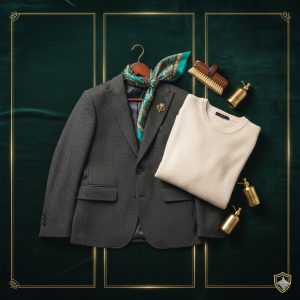 Most luxury garments should be professionally cleaned every few wears, depending on fibre type, environment, and structure. Wool coats typically require cleaning every 4–8 wears, silk garments every 2–4 wears, and cashmere knitwear every 6–10 wears. Luxury Garment Care Hampstead focuses on strategic timing rather than routine cleaning to protect fabric integrity and extend garment life.
Book Professional Garment Care in Hampstead
Online Booking Available: https://booking.londondrycleaningcompany.com/book
Pickup & Delivery Across London
Precision care designed for luxury wardrobes
Luxury wardrobes are built slowly — but they can age quickly without the right care.
Luxury wardrobes in Hampstead are rarely built around disposable fashion. Tailored wool coats, structured suits, silk dresses, and cashmere knitwear represent investment, craftsmanship, and long-term style. Yet one of the most common questions clients ask is simple: how often should luxury clothing actually be cleaned?
Luxury Garment Care Hampstead’s standards approach this question scientifically. Cleaning is not scheduled by habit — it is determined by fibre behaviour, garment structure, and environmental exposure. When cleaning becomes strategic rather than routine, garments maintain their structure longer and feel noticeably better after every wear.
Many wardrobes suffer not from a lack of care but from poor timing. Cleaning too often introduces stress. Waiting too long allows invisible damage to develop. Understanding the correct rhythm transforms garment maintenance from reactive to intentional.
How Often Should You Clean Luxury Clothes in Hampstead?
 Most luxury garments should be cleaned less frequently than traditional routines suggest, but with more strategic timing. Luxury Garment Care Hampstead focuses on fibre behaviour, structure, and environmental exposure rather than fixed schedules. Cleaning every few wears — depending on the fabric type — protects the garment’s integrity while preventing long‑term fibre stress.
Quick Luxury Garment Care Hampstead Frequency Guide
| Garment Type | Suggested Cleaning Interval | Key Reason |
|---|---|---|
| Wool Coats | 4–8 wears | Protect structure and lapel shape |
| Cashmere Knitwear | 6–10 wears | Maintain fibre loft |
| Silk Garments | 2–4 wears | Prevent oil build‑up |
| Tailored Suits | 5–7 wears | Preserve internal canvassing |
Cleaning is not just maintenance. In Hampstead, it is preservation.
Luxury Garment Care Hampstead Strategy vs Traditional Dry Cleaning Habits
Traditional dry cleaning culture encourages predictable routines: weekly cycles, seasonal batches, or cleaning only when stains appear. Luxury Garment Care Hampstead replaces these habits with garment-specific decision-making.
Professional Garment Care London specialists analyse fibre composition, internal construction, and wear patterns before selecting a method. Structured garments behave differently from soft knitwear. Natural fibres respond differently from synthetics. Precision replaces guesswork.
This approach aligns with modern luxury clothing maintenance, where preservation matters more than speed.
Why Luxury Garment Care Hampstead Recommends Cleaning Less Often — But Smarter
Dry Cleaning vs Garment Care is not just terminology; it reflects philosophy. Cleaning introduces controlled stress through heat, pressure, and mechanical motion. While safe when applied correctly, unnecessary repetition reduces fibre resilience over time.
Luxury Garment Care Hampstead focuses on stabilising garments at the right moment rather than processing them automatically. A tailored coat cleaned excessively may lose its lapel structure. Cashmere processed too frequently may flatten. Silk exposed to repeated heat may lose softness.
Strategic intervals preserve elegance without sacrificing cleanliness.
Luxury Garment Care Hampstead Frequency Guide for Common Luxury Fabrics
 Wool Coats and Structured Outerwear
Cleaning every four to eight wears helps maintain freshness while protecting the internal canvassing. Controlled finishing helps maintain shape without excessive pressure.
Cashmere Knitwear
Cleaning every six to ten wears using specialist wet cleaning preserves fibre loft and softness. Over-cleaning compresses delicate fibres.
Silk Dresses and Blouses
Silk benefits from cleaning after two to four wears due to sensitivity to body oils. Professional garment care maintains drape without stiffness.
Structured Tailoring and Suits
Cleaning approximately every five to seven wears protects the canvas structure and reduces shine marks. Specialist Dry Cleaning Hampstead techniques, combined with precision pressing, extend lifespan.
How Hampstead Living Changes Luxury Clothing Maintenance
Luxury Garment Care Hampstead considers local environmental realities. Pollution, humidity, and seasonal heating cycles subtly affect fibres. Clothing worn across Finchley Road, Swiss Cottage, or Central London accumulates airborne particles differently from garments worn occasionally.
Professional garment care adapts cleaning decisions to lifestyle, not just labels.
London Humidity, Pollution and Fibre Damage — The Hidden Risk to Luxury Clothing
Luxury Garment Care Hampstead takes into account a factor many people overlook: the unique environmental pressure placed on garments in London. Changes in humidity levels, underground travel, and urban pollution create microscopic stress on natural fibres long before visible wear appears.
Wool absorbs moisture from the air, causing fibres to expand and contract throughout the day. Silk reacts to temperature fluctuations, which can slowly weaken protein bonds if garments are not stabilised through professional care. Cashmere, known for softness, becomes more vulnerable when humidity and heat combine inside crowded wardrobes.
Professional garment care reduces these risks by using controlled drying temperatures, balanced finishing pressure, and fabric‑specific processes designed to stabilise fibres after exposure to city conditions. Instead of reacting to visible damage, Luxury Garment Care Hampstead focuses on preventing long‑term fibre fatigue caused by the London environment.
Why Clients Choose Luxury Garment Care Hampstead
• Fabric-led cleaning decisions instead of generic cycles
• Specialist handling for wool, silk, and cashmere
• Structured garment reshaping and precision finishing
• Controlled same-day options available after assessment
Early Warning Signs Your Luxury Garment Needs Care
 Luxury garments rarely appear dirty, but subtle indicators reveal internal stress:
• Lapels losing natural roll
• Cashmere feels heavier
• Silk losing sheen
• Fabric stiffness after wear
• Slight twisting in sleeves or seams
Luxury Garment Care Hampstead emphasises early intervention to prevent structural change from becoming permanent.
The Science of Fibre Stress in Luxury Garment Care, Hampstead
Wool fibres contain microscopic scales that flatten under excessive heat. Silk proteins weaken with temperature spikes. Cashmere loses loft when compressed repeatedly. Professional garment care uses calibrated equipment and controlled finishing to minimise cumulative damage.
Speed is not the problem. Lack of control is.
Fast turnaround can remain safe when processes remain precise and structured, and garment care methods are applied correctly.
Why End-of-Season Cleaning Alone Is Not Enough
Waiting until winter ends to clean coats allows oils and pollution to oxidise within fibres. Luxury Garment Care Hampstead encourages periodic maintenance during the season. Smaller controlled cycles protect fabric health more effectively than delayed aggressive cleaning.
The Economic Advantage of Luxury Garment Care Hampstead
Correct cleaning frequency extends garment lifespan and reduces cost per wear. A coat preserved through controlled care may last twice as long as one subjected to routine processing. Luxury clothing maintenance is not about spending more — it is about preserving existing investment.
When Traditional Dry Cleaning Works — And When Professional Garment Care Is Essential
Dry cleaning suits: • Synthetic blends
• Low-structure garments
• Short-term fashion pieces
Luxury Garment Care Hampstead becomes essential for: • Tailored garments
• Wool, silk, and cashmere
• Designer pieces
• Long-term wardrobe investments
Luxury Garment Care Hampstead — Precision Over Routine
Every garment receives individual assessment. Fibre type, structure, and lifespan expectations guide cleaning decisions. Temperature control, calibrated pressing, and fabric-led methods reduce cumulative stress.
This approach transforms garment care from simple cleaning into long-term preservation.
Common Luxury Clothing Mistakes Seen in Hampstead Wardrobes
Even experienced luxury clothing owners unknowingly shorten garment lifespan through small daily habits. Over‑pressing structured jackets at home, storing cashmere on thin hangers, or using steam too aggressively between cleans can slowly weaken fibres. Luxury Garment Care Hampstead focuses on correcting these habits through fabric‑led guidance rather than rigid

rules. Small adjustments — such as allowing garments to rest between wears or avoiding direct heat exposure — dramatically improve long‑term performance.
Another frequent mistake is treating all luxury garments the same. Wool, silk, and cashmere may appear similar in refinement, but their fibre behaviour differs significantly. Precision garment care means understanding that each fabric reacts differently to humidity, pressure, and finishing techniques.
Real Hampstead Wardrobe Scenarios — When Cleaning Timing Matters Most
Consider a structured navy wool coat worn along Finchley Road during colder months. If cleaned too frequently, the internal canvassing begins to lose tension, and the lapel roll becomes flat. However, when cleaned strategically every few wears using controlled finishing, the same coat maintains architectural shape for years.
A second example involves silk blouses worn beneath tailored jackets. Many clients delay cleaning because stains are not visible. Yet silk proteins absorb oils quickly, and delayed care can cause subtle dullness. Luxury Garment Care Hampstead emphasises early stabilisation rather than reactive cleaning, ensuring the garment retains softness and natural sheen.
These real‑world examples highlight how cleaning frequency directly affects garment longevity.
Storage Between Cleans — The Hidden Part of Luxury Garment Care Hampstead
Cleaning frequency alone does not determine garment health. Storage conditions between wears play an equally important role. Breathable garment bags, structured wooden hangers, and proper airflow help fibres recover naturally after wear. Overcrowded wardrobes trap humidity, increasing fibre stress and encouraging premature cleaning cycles.
Luxury Garment Care Hampstead often advises clients to think of storage as an extension of garment care rather than a separate step. Allowing garments to rest for 24 hours between wears can reduce cleaning frequency while maintaining freshness.
How Professional Garment Care Hampstead Supports Long‑Term Wardrobe Planning
Luxury wardrobes evolve over time. Some pieces are worn weekly, while others remain seasonal investments. Professional garment care helps create a realistic maintenance rhythm based on how garments are actually used.
Instead of reacting to stains or seasonal habits, many Hampstead clients adopt a structured care calendar — combining periodic assessment with precision cleaning. This approach prevents over‑processing while ensuring garments remain ready to wear whenever needed.
Professional garment care becomes less about emergency cleaning and more about preserving the rhythm of a well‑curated wardrobe.
When garment care is done correctly, you rarely notice it — you simply keep loving what you wear.
Conclusion — Clean Strategically, Preserve Elegance
 Luxury Garment Care Hampstead teaches a simple principle: clean less often, but clean smarter. Strategic timing protects fibre integrity, maintains garment structure, and extends lifespan.
Luxury clothing is engineered. Its care should be engineered too.
People Also Ask — Luxury Garment Care Hampstead Questions
How often should you dry clean a wool coat in Hampstead?
Most structured wool coats benefit from professional cleaning every four to eight wears, depending on weather exposure and pollution levels. Strategic garment care prevents fibre stress while maintaining shape.
Is professional garment care better than traditional dry cleaning?
Professional garment care focuses on fibre behaviour, structure, and long‑term preservation rather than solely on stain removal. For luxury clothing, this approach helps maintain softness and longevity.
Can luxury garments be cleaned too often?
Yes. Excessive cleaning introduces repeated heat and pressure that may reduce fibre resilience over time. Luxury Garment Care Hampstead recommends controlled intervals instead of routine processing.
What is the safest way to maintain cashmere between cleans?
Allow garments to rest between wears, store them on proper hangers, and avoid excessive heat or steaming. Professional care helps maintain loft and softness without over‑processing.
Frequently Asked Questions — Luxury Garment Care Hampstead
 How often should luxury clothes be cleaned?
Most luxury garments benefit from cleaning every few wears, depending on fibre type, environment, and structure. Professional garment care determines timing more accurately than fixed schedules.
Is same-day service safe for luxury clothing?
Yes, when controlled systems and calibrated finishing are used. Speed alone does not damage garments; poor process control does.
Does cleaning less often really help garments last longer?
Yes. Strategic cleaning reduces fibre fatigue and maintains shape over time.
Ready for a Professional Garment Assessment?
Online Booking: https://booking.londondrycleaningcompany.com/book
WhatsApp Support Available
Pickup & Delivery Across London


No comment