
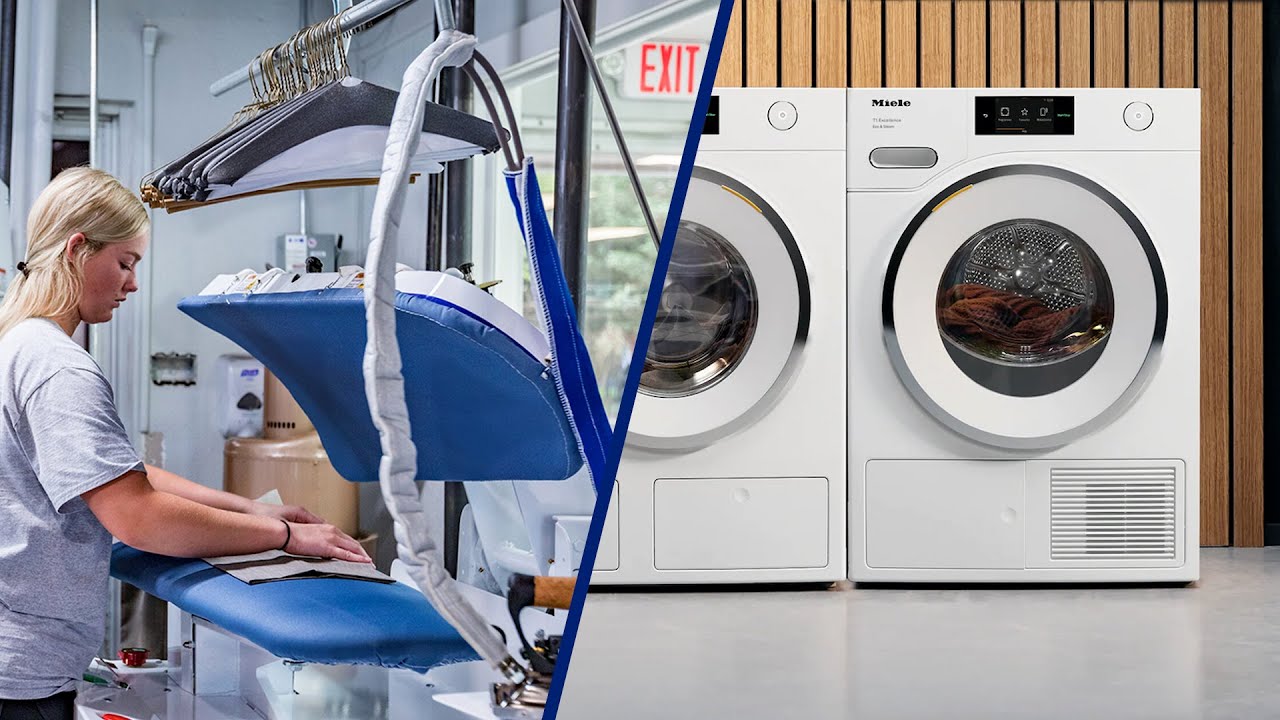
The key difference between home washing and dry cleaning lies in how fabrics are treated, cleaned, and preserved over time. While both methods are designed to remove dirt and stains, they use completely different processes that can significantly affect the condition, lifespan, and appearance of your clothes.
Many people rely on washing machines as their primary method of cleaning garments because it is fast, convenient, and cost-effective. However, not all fabrics are suitable for this method. In fact, using the wrong cleaning approach can cause shrinkage, fading, distortion, and even permanent damage.
Understanding how each method works and when to use it can help you protect your clothes and maintain a high-quality wardrobe.

How Dry Cleaning Works Compared to Home Washing
The main difference between these two methods is the cleaning process itself.
Home washing uses water, detergent, and mechanical movement to remove dirt. Clothes are soaked, agitated, rinsed, and then dried. While this process works well for durable fabrics, it can be too harsh for delicate materials.
On the other hand, dry cleaning uses specialised solvents instead of water. These solvents dissolve oils, grease, and dirt without fully saturating the fabric. Because the process involves less moisture, it reduces the risk of shrinkage and damage.
This controlled method makes it a safer option for garments that require careful handling.
Why Dry Cleaning Is Better for Sensitive Fabrics
Delicate fabrics require special care to maintain their quality.
Materials such as silk, wool, cashmere, satin, and velvet are highly sensitive to water and heat. These fabrics can shrink, stretch, or lose their texture when exposed to improper washing conditions.
Professional dry cleaning offers a gentler alternative by using controlled cleaning techniques that protect fibres. Instead of exposing garments to aggressive agitation, the process minimises stress on the fabric.
As a result, delicate clothing maintains its softness, shape, and appearance for a longer period.
How Dry Cleaning Protects Garment Structure
Many garments are designed with internal structures that help maintain their shape.
Items such as suits, coats, and formal dresses often include linings, padding, and stitching that are sensitive to water and movement. Washing these garments at home can cause the internal structure to shift or become distorted.
Professional dry cleaning avoids this problem by using gentle handling and controlled conditions. This ensures that garments retain their original fit and design.
Maintaining structure is particularly important for business and formal clothing where appearance matters.
The Impact of Water and Heat on Fabrics
Water and heat play a significant role in how fabrics react during cleaning.
When clothes are washed at home, fibres absorb water and expand. This can weaken the fabric and lead to shrinkage or stretching. Heat from washing machines and dryers can further increase the risk of damage.
Frequent exposure to these conditions gradually reduces fabric strength and durability.
In contrast, dry cleaning minimises exposure to water and heat, helping preserve the original condition of garments.
Stain Removal Differences
Not all stains can be removed effectively using water-based cleaning methods.
Home washing is effective for removing basic dirt and sweat. However, it struggles with oil-based stains such as grease, makeup, and certain food residues.
Professional dry cleaning is designed to handle these types of stains more effectively. The solvents used in the process break down oils and remove them from the fabric without causing damage.
This makes it the preferred option for garments exposed to complex or stubborn stains.
Colour Preservation and Fabric Appearance
Maintaining the visual appearance of clothing is an important factor in garment care.
Repeated washing at home can cause colours to fade over time. Detergents and water can strip away dyes, leaving garments looking dull and worn.
Professional dry cleaning helps preserve colour by using gentle cleaning agents that do not affect dyes in the same way. This allows garments to maintain their original brightness and richness.
As a result, clothes look newer for longer.
Fabric Longevity and Wear Over Time
The way clothes are cleaned has a direct impact on how long they last.
Frequent washing exposes garments to friction, chemicals, and heat, all of which contribute to wear and tear. Over time, fabrics may become thinner, weaker, and less comfortable.
Using dry cleaning for suitable garments reduces this type of damage. The gentler process helps maintain fabric strength and extends the lifespan of clothing.
This is especially important for high-quality or expensive items.
When Home Washing Is Suitable
Despite its limitations, home washing is still an effective method for many types of clothing.
Everyday garments such as t-shirts, sportswear, underwear, and basic cotton items can be safely washed at home. These fabrics are designed to withstand water and mechanical movement.
Using the correct temperature and detergent can help minimise damage and keep clothes clean.
However, it is important to recognise when home washing is not appropriate.
When Dry Cleaning Should Be Chosen
Professional cleaning should be selected when garments require extra care.
You should consider dry cleaning when:
- The fabric is delicate or sensitive
- The garment has internal structure
- The stain is difficult to remove
- The care label recommends professional cleaning
- The clothing is valuable or rarely worn
Choosing the right method helps prevent damage and ensures better results.
Cost vs Long-Term Value
Many people choose home washing because it appears more affordable. However, it is important to consider long-term costs.
Improper cleaning can damage garments, leading to more frequent replacements. This can result in higher expenses over time.
Professional dry cleaning helps preserve clothing, reducing the need for replacement and protecting your investment.
In the long run, it can be a more cost-effective solution.
Conclusion
Understanding the difference between home washing and professional cleaning is essential for maintaining your wardrobe.
While home washing is suitable for everyday clothing, it is not always the best option for delicate or structured garments. Using the wrong method can lead to damage that affects both appearance and durability.
Professional dry cleaning provides a safer alternative for maintaining fabric quality, removing stubborn stains, and preserving garment structure.
By choosing the right cleaning method for each item, you can extend the life of your clothes, maintain their appearance, and keep your wardrobe in excellent condition for years to come.


No comment