
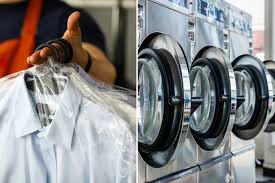
Using dry cleaning instead of washing is often necessary when dealing with delicate fabrics, structured garments, or clothing that requires specialised care. Many people assume that washing clothes at home is always safe, but this is not true for every type of fabric. In fact, choosing the wrong cleaning method can lead to shrinkage, colour fading, and permanent damage.
Understanding when to use dry cleaning instead of washing can help you protect your clothes, maintain their quality, and extend their lifespan. While home washing is convenient, it does not always provide the level of care required for high-quality or sensitive garments.
Clothing today is made from a wide variety of materials, each with different care requirements. Some fabrics can handle water and detergent, while others require a more controlled cleaning process. Knowing the difference allows you to make better decisions and avoid costly mistakes.
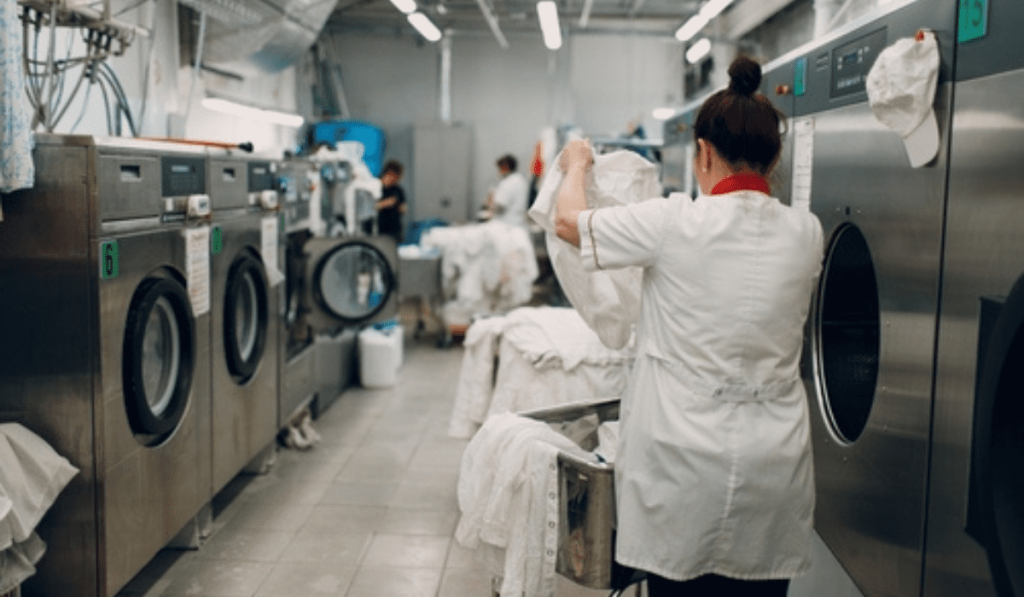
Why You Should Use Dry Cleaning Instead of Washing for Delicate Fabrics
One of the main reasons to choose dry cleaning instead of washing is the sensitivity of certain fabrics.
Materials such as silk, wool, cashmere, lace, and velvet are highly sensitive to water, heat, and friction. These fabrics can easily lose their shape or texture if washed incorrectly. For example, wool can shrink significantly when exposed to hot water, while silk fibres can weaken under harsh detergents.
Using dry cleaning instead of washing helps protect these delicate materials because the process avoids excessive moisture and agitation. Specialised solvents are used to remove dirt and stains without damaging the fibres.
This makes it the safest option for maintaining the softness, structure, and appearance of delicate garments.
Situations Where Dry Cleaning Instead of Washing Is the Better Choice
There are several situations where dry cleaning instead of washing is clearly the better option.
Garments with internal structure, such as suits, coats, and blazers, require careful handling. These items are designed with linings and padding that help maintain their shape. Washing them in a machine can cause the structure to shift or become distorted.
Clothing with embellishments such as embroidery, sequins, or beads should also be treated professionally. These details can be damaged by water and movement inside a washing machine.
In addition, garments labelled “Dry Clean Only” should always be handled accordingly. Ignoring this instruction can result in irreversible damage.
In all these cases, choosing dry cleaning instead of washing ensures better protection and long-term durability.
How Dry Cleaning Instead of Washing Protects Garment Structure
One of the biggest advantages of dry cleaning instead of washing is its ability to preserve garment structure.
Structured clothing relies on precise construction to maintain its shape. When exposed to water and mechanical movement, these structures can weaken or shift. This leads to clothing that looks misshapen or does not fit properly.
Professional cleaning processes are designed to minimise stress on garments. By avoiding water saturation and aggressive agitation, dry cleaning helps maintain the original form of the clothing.
This is especially important for business wear and formal garments where appearance matters.
The Impact of Water and Heat on Clothing
Water and heat play a major role in how clothes react during washing.
When garments are washed at home, fibres absorb water and expand. This can weaken the fabric and cause shrinkage or stretching. Heat from washing machines and dryers further increases the risk of damage.
Frequent exposure to these conditions leads to fading, thinning, and loss of shape over time.
By choosing dry cleaning instead of washing, you reduce exposure to these damaging elements. This helps maintain both fabric strength and overall garment quality.
Stain Removal: Dry Cleaning vs Washing
Not all stains can be removed effectively with water-based washing.
Oil-based stains such as grease, makeup, and certain food residues are difficult to remove using standard detergents. In some cases, washing can spread the stain further or make it harder to remove.
Dry cleaning instead of washing is more effective for these types of stains because the solvents used are designed to break down oils and grease.
This ensures that stains are removed without damaging the fabric.
Colour Preservation and Appearance
Maintaining colour is one of the key benefits of using dry cleaning instead of washing.
Water and detergents can gradually strip dye from fabrics, causing colours to fade. Dark garments may lose their richness, while lighter fabrics may appear dull.
Professional cleaning uses gentler methods that help preserve colour and keep garments looking fresh.
As a result, clothing maintains its original appearance for a longer period.
Long-Term Benefits of Dry Cleaning Instead of Washing
Choosing the right cleaning method has a direct impact on how long your clothes last.
Frequent washing exposes garments to friction, chemicals, and heat, all of which contribute to wear and tear. Over time, this reduces the lifespan of clothing.
Using dry cleaning instead of washing for appropriate garments reduces this damage. The gentler process helps maintain fabric strength and prevents unnecessary wear.
This is particularly important for high-quality or expensive clothing.
When Home Washing Is Still Suitable
Despite its limitations, home washing is still appropriate for many types of clothing.
Everyday items such as t-shirts, sportswear, underwear, and basic cotton garments can be safely washed at home. These fabrics are designed to withstand water and mechanical movement.
Using proper techniques, such as cold water and gentle cycles, can help reduce damage and maintain fabric quality.
However, it is important to recognise when home washing is not the best option.
When to Choose Dry Cleaning Instead of Washing
You should consider dry cleaning instead of washing when:
- The fabric is delicate or sensitive
- The garment has internal structure
- The clothing includes embellishments
- The care label specifies professional cleaning
- The item is valuable or rarely worn
Making the right decision helps prevent damage and ensures better cleaning results.
Conclusion
Understanding when to use dry cleaning instead of washing is essential for maintaining the quality and longevity of your clothing. While washing at home is convenient, it is not always suitable for delicate or structured garments.
By choosing the appropriate cleaning method, you can protect your clothes from damage, preserve their appearance, and extend their lifespan.
Using dry cleaning instead of washing when necessary ensures that your garments remain in excellent condition, helping you maintain a polished and well-maintained wardrobe over time.



No comment